
Piano technicians get very little credit. Rarely, if ever, do they become famous. So imagine my surprise when I visited Ciampi Pianoforti near the Vatican—one of Italy's preeminent piano purveyors—and Silvio Ciampi himself, having heard I lived in the town of Trevignano Romano, asked if I knew Sauro.
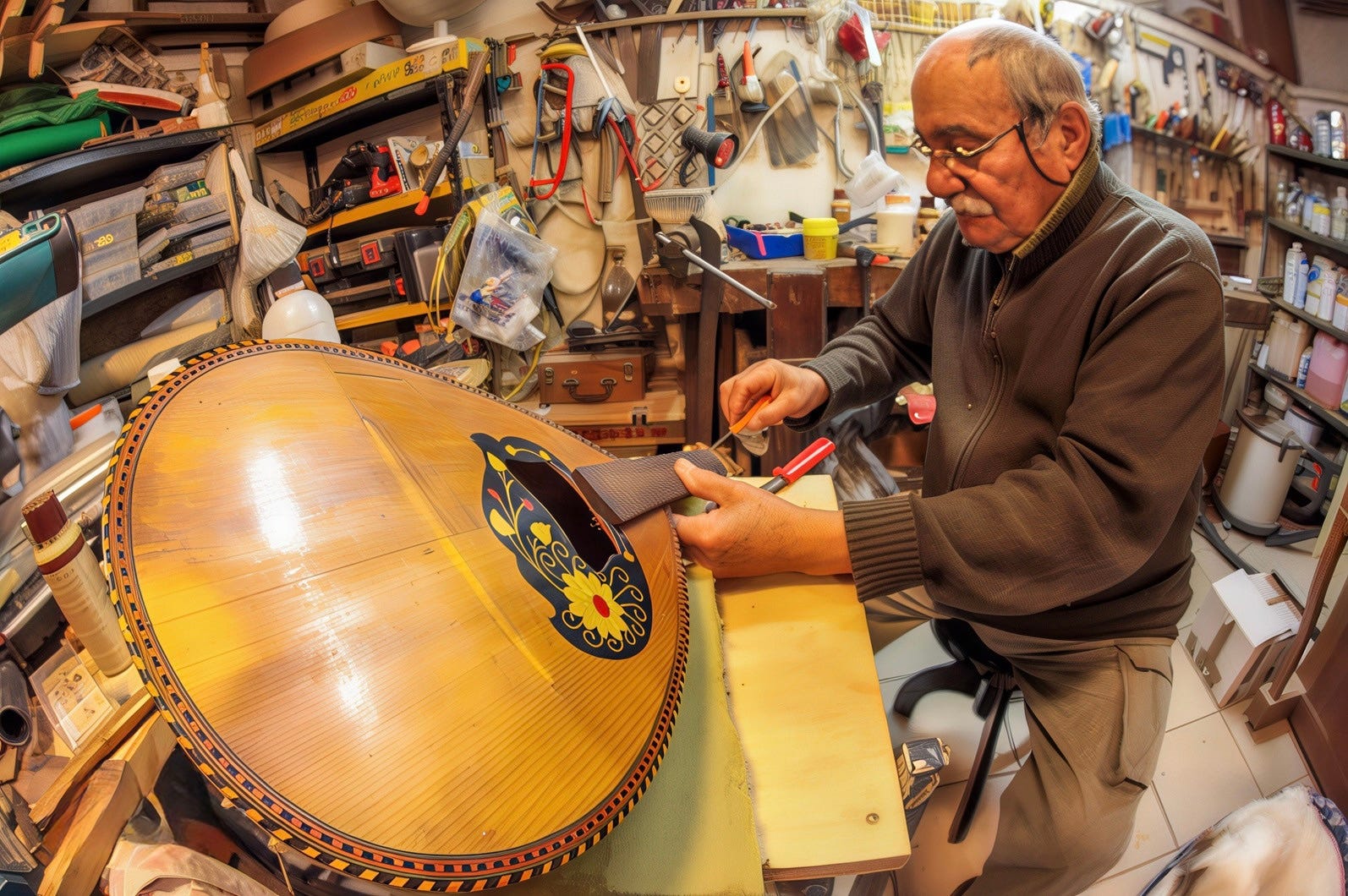
“I certainly do,” I replied. Musicians couldn’t help but be drawn to Sauro Manchia’s instrument restoration shop in Trevignano’s historic center. Pianist, composer, and conductor Stefano Cucci remembers being lured in by the notes of a piano as he walked nearby: "I entered the workshop, which seemed like a mysterious cavern ... Sauro being an extrovert and an affable raconteur, we immediately bonded."
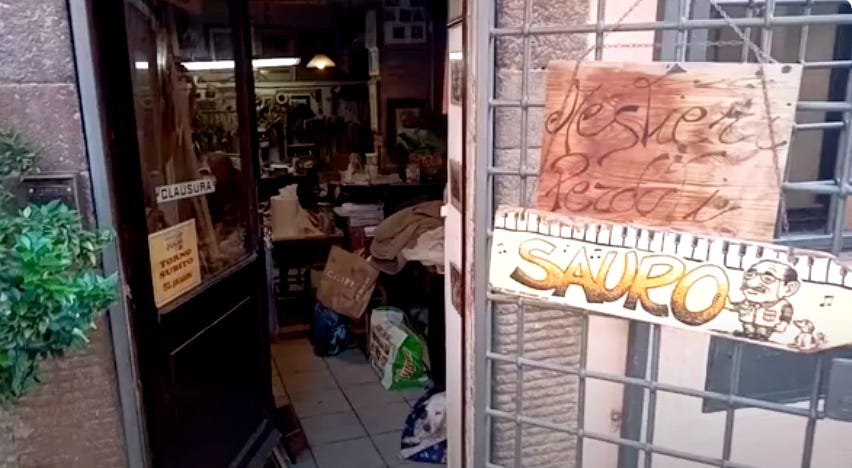
Mr. Ciampi smiled. "Sauro is a genius!" he exclaimed.
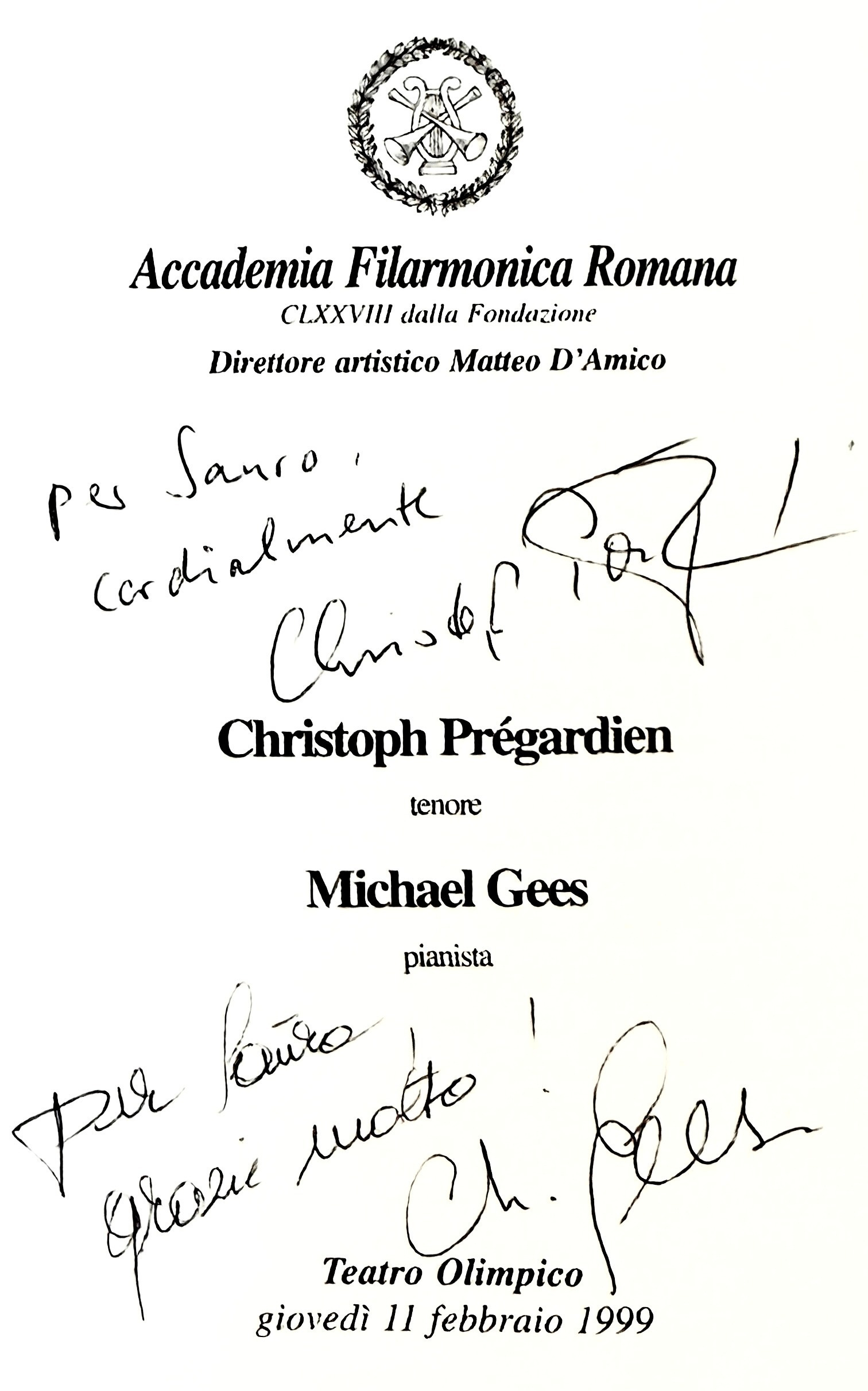
Little did I know, Sauro had prepared the pianos of the greats, not the least of which were Arthur Rubinstein and Arturo Benedetti Michelangi. The famed Swiss pianist Alfred Cortot requested Sauro as his tuner when he performed in Rome.
What made Sauro special, says Cucci, was his "long workshop experience and a precise knowledge of the instrument's inner workings. He would tune not with a machine, but by ear—as A-list tuners still do today."
Sauro’s old-world authority—"the typical craftsman of an Italy that no longer exists”—along with a lifetime of amazing feats, not just with pianos, is brought to life by his biographer Maurizio Semplice in Memorie di un brontosauro (Memories of a Brontosaurus). The brontosaurus, says Semplice, refers to Sauro’s "historical character … a typical Italian, who spanned seventy years of the 20th century and twenty-five years of the 21st century. That typical Italian is no more ... a social and anthropological relic, who can still teach us much."
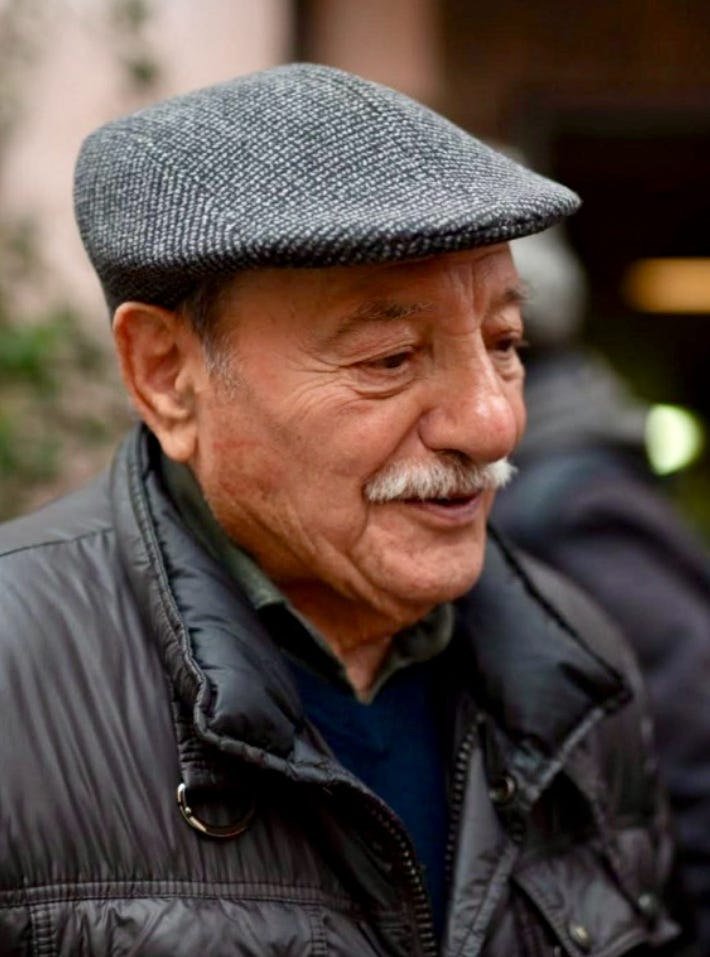
Sauro was "literally born into his trade” in 1931, says author Judith Harris: "He grew up on Rome's famous 'street of the artists,' Via Margutta, above an artist's club managed by his father, who also owned the most important piano store in pre-Second World War Rome.” It was in front of that shop on Via XX Settembre—a street better known for government ministries than for music—that Sauro caught the attention of Benito Mussolini, who passed four times a day en route to and from his headquarters at Palazzo Venezia. Harris sets the scene:
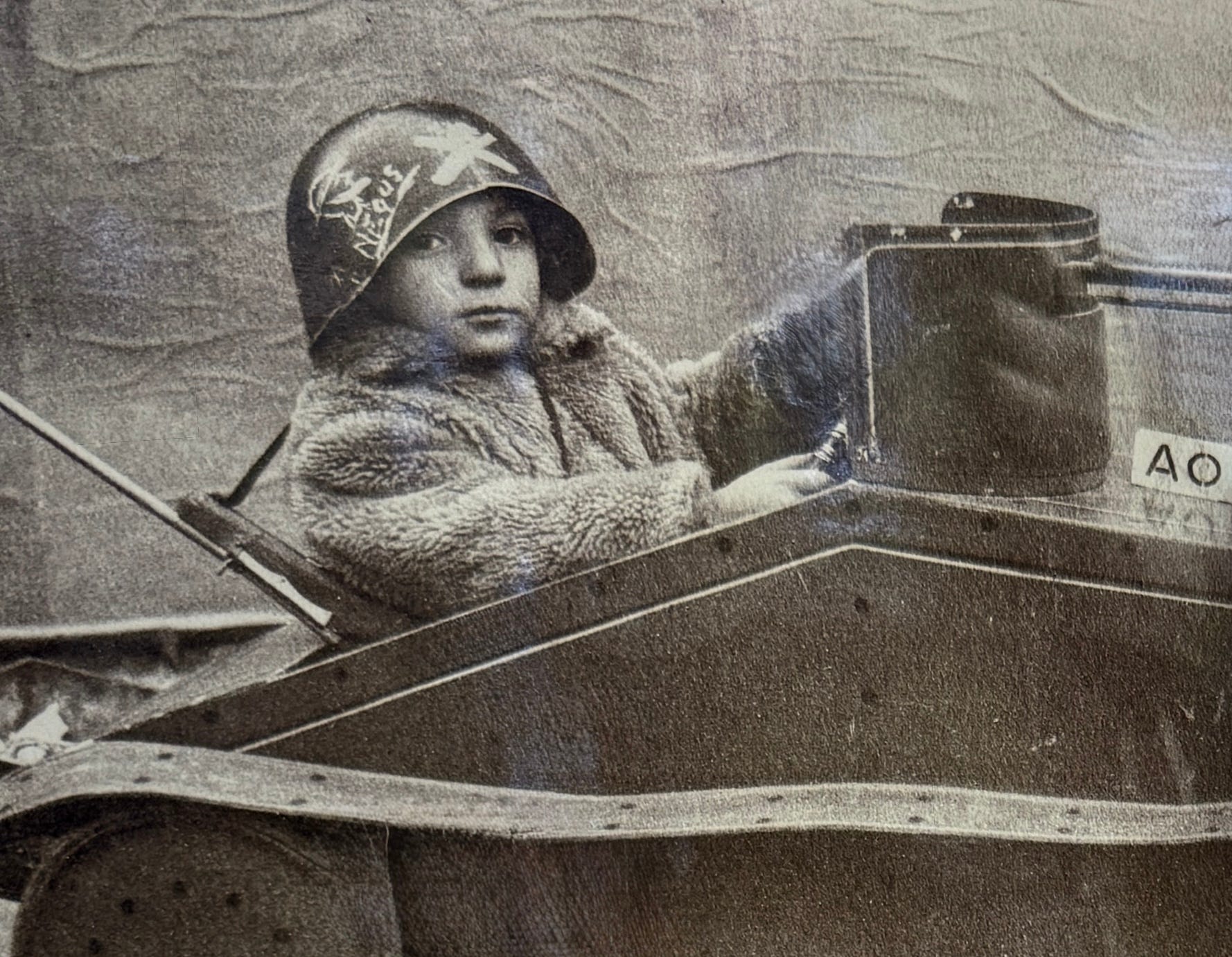
In 1936, little Sauro, who was out playing in front of the shop, took a tumble in a pothole and fell off the sidewalk and into the road just as the Duce's automobile passed.
"Mussolini thought one of his cars had hurt me," Sauro recalled. The upshot was that some days later, Mussolini had a toy tank sent to Sauro, “il figlio del pianoforte” (“the piano boy”), for his birthday. (Sauro is shown driving it in the photo at the top of this article.) The accompanying note read:
Motivazione: eri caduto e non avevi pianto. Complimenti. Firmato B.M.
(Reason: You fell and didn’t cry. Well done. Signed, B.M.)
Sauro could have become a pianist. But, he told Semplice, he "always felt like he was on the other end of the instrument: 'I've been fortunate enough to do a wonderful job, a job that's very satisfying, and that's enough for me. You should never push your luck.'"
Tuning a piano, especially for concert pianists, requires precision, acute pitch sensitivity, and immense patience, all under strict time limitations and high-stakes pressure from performers expecting tuning to within a fraction of a cent (one half-tone, say from D to D#, contains 100 cents). Sauro's greatest teacher, his father Alberto, taught him a secret that Sauro repeated to Semplice: "When you're done tuning, the pianist will always tell you there's something imperceptible that needs fixing.... So you say, 'Maestro, I've done my best. Small imperfections will be corrected by your masterful hands,' and you thank him." Sauro did just that while preparing for a concert by Benedetti Michelangeli in L'Aquila:
The maestro had noticed a problem with the D-flat, and, in protest, decided not to play. Sauro rushed over immediately. He began listening. "It must be a problem in the transition between the smooth and the wound strings," he said.... After Sauro had recited the canonical phrase, Benedetti Michelangeli said, "See, what did I tell you?" Sauro promptly said, "It's wonderful to learn from you, Maestro....
“It was all a play of delicacy and harmony that wasn't just about the notes.”
"Sauro had his own technique," says Cucci, "and the result was often very convincing." In rebuilding Cucci’s grandmother’s 1874 Viennese grand piano when he was almost 90 years old, Sauro "did a meticulous job of repairing the mechanics and rebuilding part of the keyboard that had lost many of the original ivory key covers."
He was enterprising, and collaborative too. When visiting the home of inventor Pat Peebles, I noted that his turn-of-the-century Bechstein played with the action mechanism of a newer piano. Sauro had helped source materials for Peebles’ innovations; one involved relining the instrument's hammers not with the usual dense wool felt, but with felt cut from tennis balls! This added a unique liveliness to the instrument’s treble.
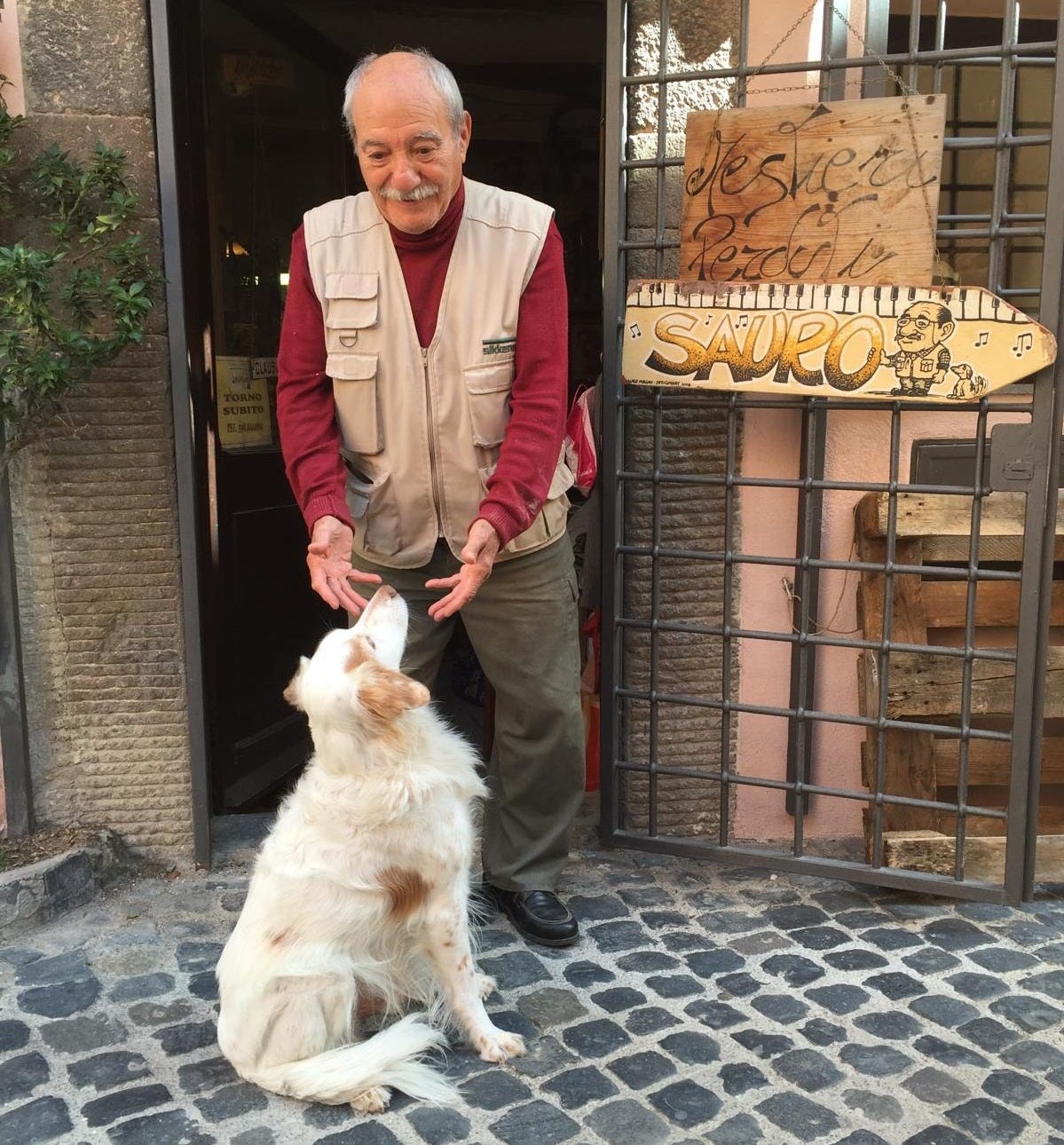
Sauro brought inventiveness and vitality to all he touched. Cucci notes that "he endured until the age of 94 in his workshop, his reason for living, and after having closed the workshop, understood that life too had reached its end. The two were too deeply intertwined to be separated."
Sauro passed on August 3rd in his beloved Trevignano Romano. Not only did he touch the hundreds who attended his memorial and the many pianists whose performances he made possible, but also a world of people who have been able to enjoy the beauty of music, because of a piano technician. Because of Sauro.
A version of this article in Italian first appeared at B-Hop.it
What a fantastic story about an amazing man. I could hear it!